

10 Golden Rules for the Right Platform Selection: Comprehensive Guide
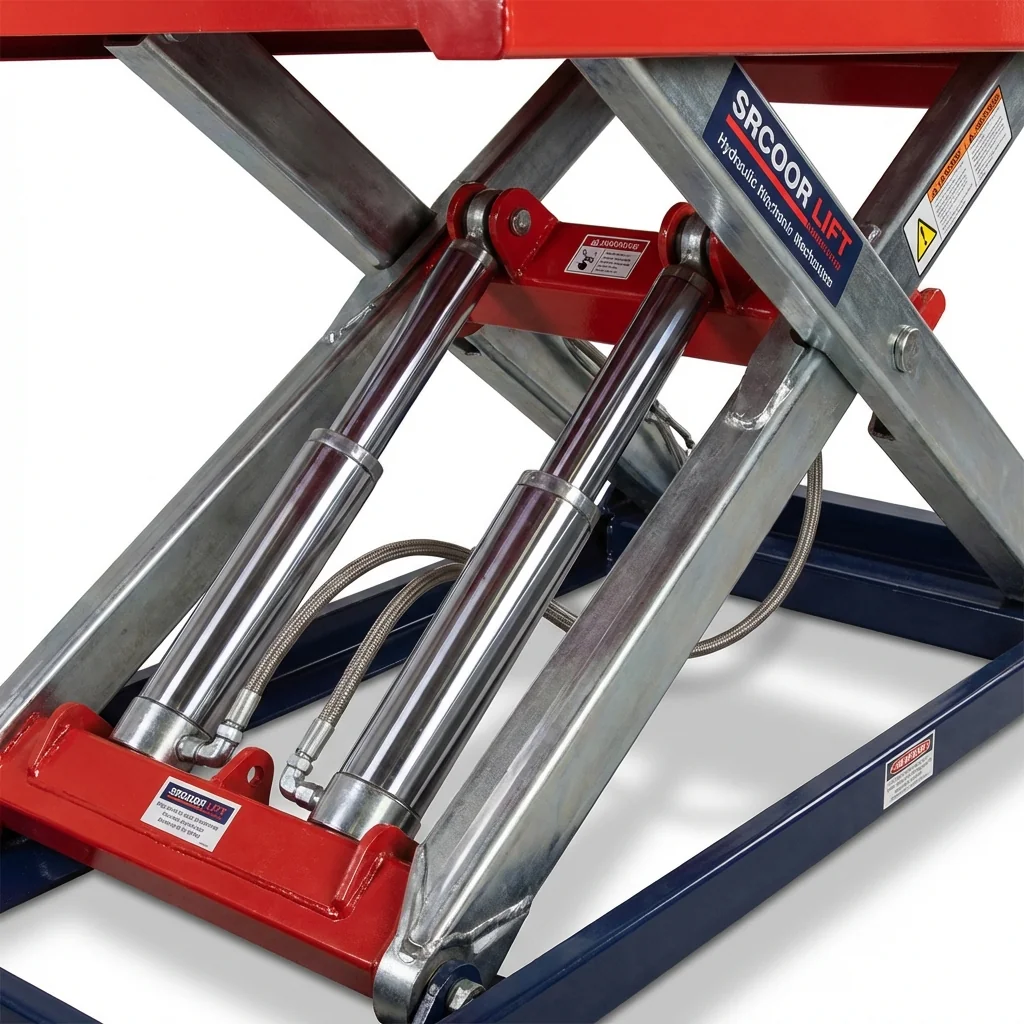
In projects requiring working at height, choosing the right aerial work platform is a critical decision in terms of both occupational safety and operational efficiency. Wrong platform selection can lead to loss of time, increased costs, and most importantly, occupational accidents. A significant portion of occupational accidents worldwide caused by working at height originate from the use of inappropriate equipment.
In this comprehensive guide, we will examine in detail the 10 golden rules we have determined with our 20+ years of industry experience. Whether you are a contractor in the construction sector or the head of an industrial maintenance-repair team, this guide will guide you in choosing the most suitable platform for your project.
1. Determine the Working Height Correctly
The most basic criterion in platform selection is the maximum working height you need to reach. However, there is an important distinction to be made here: working height and platform height are not the same thing.
Working height is the maximum height an operator can reach by extending their arm while standing. It is usually added about 2 meters above the platform height. For example, a scissor lift with a 10-meter platform height offers a working height of approximately 12 meters.
Height Selection Guide
- 6-10 meters: Indoor maintenance-repair, warehouse shelf arrangement, ceiling lighting works
- 10-16 meters: Building facade cleaning, steel construction assembly, medium-height construction works
- 16-26 meters: Large-scale facade works, bridge maintenance, industrial facility maintenance
- 26-43 meters: High-rise building construction, wind turbine maintenance, large industrial projects
Expert Tip: Always choose a platform with a working height 10-15% higher than you need. Thus, you create a safe margin for unexpected situations.
2. Evaluate Ground Conditions
The condition of the ground on which the platform will operate directly affects the type of platform you should choose. Ground conditions are generally divided into three categories:
Flat and Hard Floors
Scissor lifts are the ideal choice for concrete floors, asphalt surfaces, and hard soil floors. These platforms provide excellent stability on flat ground and are generally a more economical option.
Rough and Soft Terrain
Rough terrain platforms should be preferred for construction sites, muddy grounds, and uneven terrain. Thanks to their 4x4 traction system, high ground clearance, and strong tires, they can operate safely in challenging ground conditions.
Sensitive Floors
When working on tile, parquet, or epoxy-coated floors, it is imperative to use platforms with non-marking tires. Electric scissor lifts are the most suitable option for such floors because they both leave no marks and produce no exhaust gas.
Expert Tip: Be sure to calculate the ground bearing capacity. The total weight of the platform (equipment + operator
- material) must not exceed the bearing capacity of the ground.
3. Calculate the Horizontal Reach Distance
In some projects, vertical height alone is not enough; how far the platform can extend horizontally is also a critical factor.
Scissor Lifts
Scissor lifts generally only provide vertical movement. Although some models have a 1-2 meter extension deck, their horizontal reach capacities are limited. They are ideal for flat working areas and projects where direct vertical access is sufficient.
Articulating Boom Lifts
Articulating platforms can reach working points over obstacles and around corners thanks to their flexible arm structures. Models offering 10-20 meters of horizontal reach distance are available. They are indispensable in complex structures, restricted areas, and projects requiring versatile access.
Telescopic Boom Lifts
Telescopic platforms provide maximum horizontal reach distance with their single straight arm structure. They are preferred in wide open areas, building facades, and long-distance works. However, their maneuverability around obstacles is more limited compared to articulating platforms.
Expert Tip: If there are obstacles (wall, installation, machine, etc.) between your working point and the place where the platform will be positioned, definitely prefer an articulating platform.
4. Check Lift Capacity
Every platform has a certain maximum lift capacity. This capacity should cover the operator's weight, hand tools, construction materials, and all other loads.
Capacity Calculation Formula
Total Load = Operator(s) Weight + Tool/Equipment Weight + Material Weight + Safety Margin (15%)
The capacity of standard platforms generally varies between 230 kg and 450 kg. However, higher capacity models should be preferred for jobs requiring heavy material handling (glass panels, steel profiles, etc.).
Critical Warning: Never exceed the platform capacity! Overloading can cause the platform to tip over and lead to fatal accidents. Load sensors on platforms warn in case of overloading, but never ignore these warnings.
5. Indoor or Outdoor?
The working environment is one of the determining factors in platform selection.
Indoor Operations
- Prefer electric scissor lifts (zero emissions)
- Choose models with low noise levels
- Check the compatibility of the ceiling height with the platform height
- Measure the passage openings (door, corridor) and compare them with the platform width
- Don't forget the non-marking tire option
Outdoor Operations
- Diesel or hybrid platforms provide long operating times
- Consider wind speed limitations (working is generally prohibited in winds over 45 km/h)
- Rough terrain models provide an advantage on uneven grounds
- Choose weather-resistant models
Expert Tip: If both indoor and outdoor use is required, electric articulating platforms or hybrid models are the ideal solution.
6. Evaluate the Maneuvering Area
The width and accessibility of the working area directly determine the platform size.
For Narrow Spaces
- Narrow type scissor lifts (width starting from 80 cm)
- Vertical mast platforms (vertical movement, minimum footprint)
- Measure platform entry-exit points, ramp angles, and turning radii
For Wide Areas
- Standard scissor lifts (wider working platform)
- Telescopic boom lifts (maximum reach distance)
- These platforms work more efficiently in wide open areas
Expert Tip: Measure all passage points (door, corridor, ramp, elevator) along the route the platform will be moved and compare them with the dimensions of the platform.
7. Choose the Power Source
Platform power source selection should be made according to the working environment and duration.
Electric (Battery) Platforms
- Advantages: Zero emission, low noise, indoor use, low operating cost
- Disadvantages: Limited operating time (8-12 hours), charging time, low terrain performance
- Ideal Use: Warehouses, factories, malls, hospitals, office buildings
Diesel Platforms
- Advantages: Long operating time, high power, terrain performance, fast refueling
- Disadvantages: Exhaust emission, high noise, cannot be used indoors
- Ideal Use: Construction sites, open areas, fieldworks
Hybrid Platforms
- Advantages: Both indoor and outdoor use, indoor operation with electricity / outdoor with diesel
- Disadvantages: Higher rental/purchase cost
- Ideal Use: Multi-purpose projects, indoor-outdoor transitional works
8. Examine Safety Features
Modern aerial work platforms are equipped with various safety features. Before selecting a platform, be sure to check for the presence of the following safety features:
- Tilt sensors: Automatic stop when the platform exceeds safe tilt limits
- Load cells: Warning and automatic locking in case of overloading
- Emergency descent system: Manual descent capability in case of electrical or hydraulic failure
- Guardrail system: 1.10-meter-high guardrails compliant with CE standards
- Platform locking: Securing the platform during movement
- Outriggers: Legs providing stability, especially in boom lifts
Expert Tip: Prefer platforms that are CE certified and have undergone regular periodic inspections. As Neta Platform, all our equipment goes through annual periodic inspections and possesses up-to-date certificates.
9. Ensure Operator Competence
The use of equipment for working at height is regulated by law. Points to consider regarding operator competence:
- Operator license: Platform operators must possess a valid certificate of authorization
- Training: Operators must have received training specific to the type of platform they will use
- Health report: Operators without fear of heights, balance disorders, or vision problems should be assigned
- Experience: The use of experienced operators is essential, especially for large boom lifts
Neta Platform Advantage: We offer operator training and certification support in all our rental processes. A rental option with an operator is also available with our experienced operator staff.
10. Perform Total Cost Analysis
When choosing a platform, you should consider not only the rental or purchase cost but the total cost of ownership/usage (TCO).
Cost Components
- Rental/purchase price: Main cost item
- Transportation: Moving the platform to your project site and its return
- Fuel/electricity: Daily operational cost
- Operator cost: Experienced operator fee
- Insurance: Insurance coverage against all risks
- Maintenance-repair: Periodic maintenance and possible breakdown costs (usually included in rental)
- Training: Operator training cost
Platform Types Comparison Table
| Feature | Scissor Lift | Articulating Boom | Telescopic Boom | Vertical Mast |
|---|---|---|---|---|
| Working Height | 6-18 m | 12-43 m | 16-56 m | 6-12 m |
| Horizontal Reach | 0-2 m | 8-20 m | 12-25 m | 0 m |
| Capacity | 230-450 kg | 200-300 kg | 230-350 kg | 200-250 kg |
Frequently Asked Questions
How does the platform rental process work?
The platform rental process generally consists of the following steps: Needs analysis, getting a quote, contract, delivery, usage, and return. As Neta Platform, we make this process as easy as possible for you.
Is a license required to operate the platform?
Yes, an operator's certificate is required to operate aerial work platforms. In accordance with OHS laws and relevant regulations, operators must be trained and certified.
Why are daily checks important?
Daily checks performed before each use include hydraulic leaks, tire pressure, safety systems, emergency stop buttons, battery status, and general mechanical checks. These checks not only prevent accidents by detecting possible malfunctions early but also extend the life of the equipment.
Conclusion
Choosing the right platform is the most critical step to be taken for a successful and safe project. By applying these 10 golden rules, you can both increase your efficiency and maximize your occupational safety standards.
As Neta Platform, with our experience of over 20 years, we offer the most suitable aerial work platform solutions for your projects. With our ISO 9001 quality management system certificate and our large equipment fleet that undergoes regular periodic inspections, we provide reliable service across Turkey.
Contact us immediately to get a free survey and consultancy service for your project. Our expert team stands with you to determine the most appropriate platform solution for your needs.
This guide was prepared using Neta Platform's 20+ years of sector experience and the knowledge of its expert engineering staff.
Author
Neta Platform Technical Team
We provide platform, crane, and heavy machinery rental solutions with 20+ years of industry experience.


