

How Should Forklift Maintenance Be Done? Complete Maintenance Guide
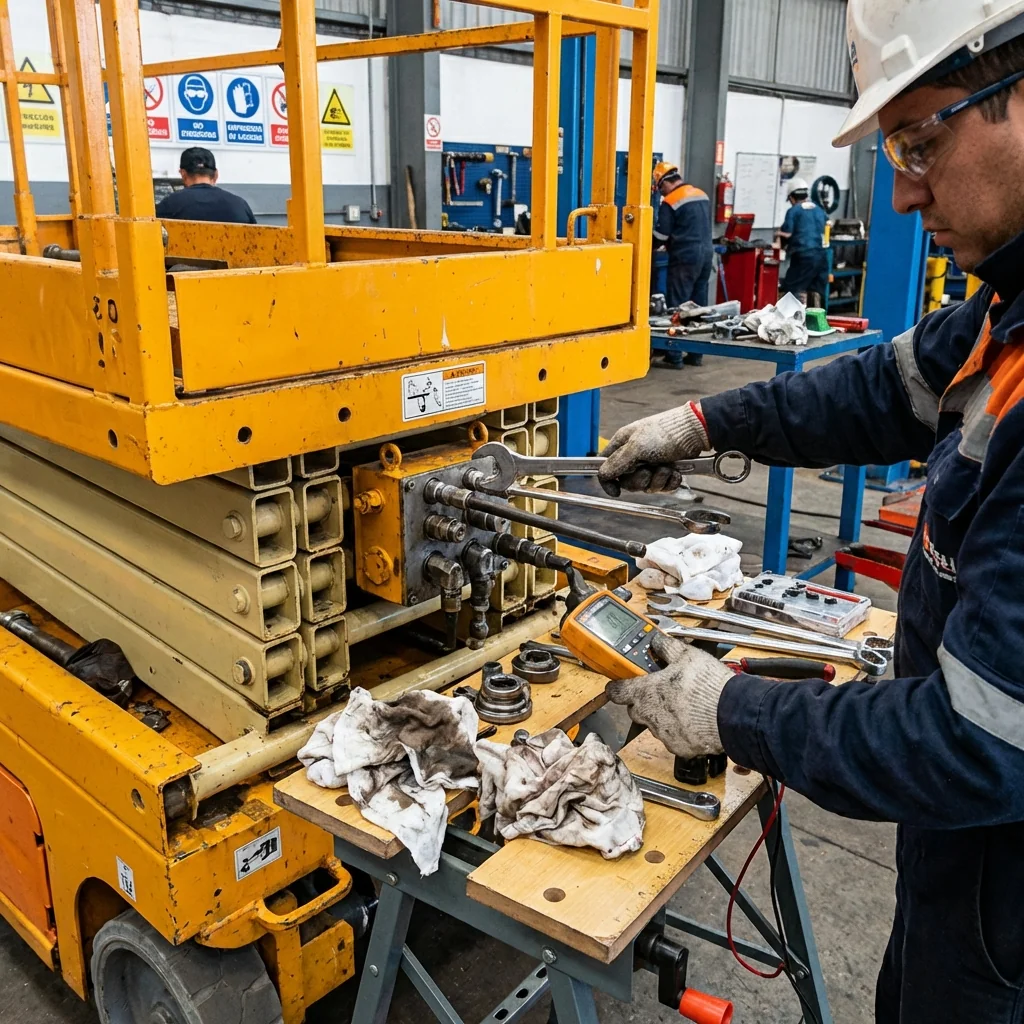
Forklift maintenance is vital both to extend the life of the equipment and to ensure occupational safety. Forklifts that do not receive regular maintenance can cause increased risk of failure, performance loss, and most importantly, occupational accidents.
In this comprehensive guide, we will cover all dimensions of forklift maintenance.
Daily Checklist
Checks that must be performed by the operator at the beginning of each working day:
Engine and Mechanical Checks
- Engine oil level: Check with dipstick, should be within minimum-maximum range
- Coolant level: Radiator and expansion tank check
- Hydraulic oil level: Measurement below and above the mast
- Brake fluid level: Must be above minimum level
- Fuel level: Diesel/LPG/Battery status check
- Air filter indicator: Inspection of clogging warning indicator
Safety Checks
- Brakes: Parking brake and service brake test
- Steering: Play and response check
- Horn and warning lights: Function test
- Mirrors and cameras: Cleaning and adjustment check
- Seat belt: Function and locking check
- Overhead guard (ROPS/FOPS): Damage and connection check
Mast and Fork Checks
- Forks: Crack, bending, wear check
- Mast chains: Tension, wear, lubrication check
- Mast rails: Damage, deformation check
- Hydraulic cylinders: Leak check
- Tilt mechanism: Function and leak check
Tire and Wheel Checks
- Tire pressure: Pressure compliant with manufacturer recommendations
- Tire condition: Wear, cut, crack check
- Wheel nuts: Tightness check
- Wheel hubs: Damage and deformation check
Weekly Maintenance Routine
Lubrication Procedures
- Mast chains and rail surfaces
- Steering mechanism
- Tilt cylinder roller points
- Door hinges and lock mechanisms
Battery Maintenance (Electric Forklifts)
- Electrolyte level: Should be 1-2 cm above the plates
- Connection terminals: Corrosion control and cleaning
- Charging system: Charger and cable check
- Battery housing: Crack and leak check
Filter Checks
- Visual inspection of the air filter
- Hydraulic filter pressure gauge
- Fuel filter water separator (diesel models)
Periodic Maintenance Schedule
250-Hour Maintenance
- Engine oil and filter change
- Fuel filter check
- Air filter cleaning or replacement
- Greasing of all lubrication points
- Brake system check
500-Hour Maintenance
In addition to 250-hour maintenance:
- Hydraulic oil filter replacement
- Differential oil check
- Transmission oil check
- Cooling system check
- Exhaust system check
1000-Hour Maintenance
In addition to 500-hour maintenance:
- Hydraulic oil change
- Transmission oil change
- Differential oil change
- Coolant change
- Inspection of all hoses and connections
- Mast chain adjustment and replacement evaluation
2000-Hour Maintenance
In addition to 1000-hour maintenance:
- Brake pads check and replacement
- Detailed inspection of mast and forks
- Hydraulic pump and valve maintenance
- General engine check
- General electrical system check
Engine Maintenance
Diesel Engine Maintenance
- Engine oil: Oil of the viscosity and quality recommended by the manufacturer must be used
- Fuel system: The water separator should be drained regularly, injectors must be checked
- Cooling system: Antifreeze level should be checked, radiator must be cleaned
- Air filter: A clogged air filter increases fuel consumption and reduces engine power
- Belts: Tension and wear should be checked
LPG Engine Maintenance
- LPG regulator: Freezing and leak check
- Mixer: Cleaning and adjustment check
- Spark plugs: Condition and ignition timing
- LPG hoses: Crack and leak check
- Tank valves: Function and leak-tightness check
Hydraulic System Maintenance
Hydraulic Oil
- Use of clean oil with the correct viscosity
- Monitoring oil temperature (60-80 degrees normal operation)
- Oil sample analysis (annual)
- Checking for foaming and color change
Hydraulic Hoses and Connections
- Leak check
- Wear and crack check
- Connection tightness
- Hose age check (usually 6 years of life)
Hydraulic Filters
- Monitoring pressure gauge
- Planned replacement schedule
- Bypass status check
Failure Symptoms and Solutions
Engine Failure Symptoms
- Hard starting: Battery, starter motor, or fuel system problem
- Power loss: Fuel filter, air filter, or injector problem
- Abnormal noise: Belt, bearing, or internal engine part problem
- Excessive smoke: Blue smoke (burning oil), black smoke (excess fuel), white smoke (water leak)
Hydraulic System Failures
- Slow lifting: Low oil level, worn pump, or clogged filter
- Jerky movement: Air bubble, worn valve
- Leak: Hose, fitting, or seal failure
- Noise: Low oil level, air intake, worn pump
Mast and Fork Failures
- Fork bending: Overloading or material fatigue (must be replaced immediately)
- Chain elongation: Normal wear, adjustment or replacement required
- Mast shaking: Roller wear or rail damage
Legal Obligations
Periodic Inspection
In Turkey, forklifts must undergo periodic inspection once a year in accordance with the Regulation on Health and Safety Conditions in the Use of Work Equipment.
Scope of inspection:
- Structural integrity check
- Safety devices test
- Hydraulic system test
- Brake system test
- Load lifting capacity test
Operator Documents
- Operator authorization certificate
- Health report (annual)
- OHS training certificate
Tips for Reducing Maintenance Costs
- Implement a preventive maintenance program
- Invest in operator training
- Use original spare parts
- Keep maintenance records regularly
- Receive professional service
Neta Platform Forklift Maintenance Services
- On-site periodic maintenance service
- Emergency breakdown intervention team
- Supply of original spare parts
- Organization of periodic inspection
- Operator training programs
- Maintenance contract options
Conclusion
Regular and correctly performed forklift maintenance extends equipment life, increases safety, and reduces total operating costs.
As Neta Platform, we provide professional service in forklift maintenance. With our experienced technical team and original spare parts supply network, we ensure that your forklifts always operate at their best performance.
This guide was prepared with reference to the field experience of the Neta Platform technical team and manufacturer recommendations.
Author
Neta Platform Technical Team
We provide platform, crane, and heavy machinery rental solutions with 20+ years of industry experience.


