

Things to Know During the Crane Rental Process: Comprehensive Guide
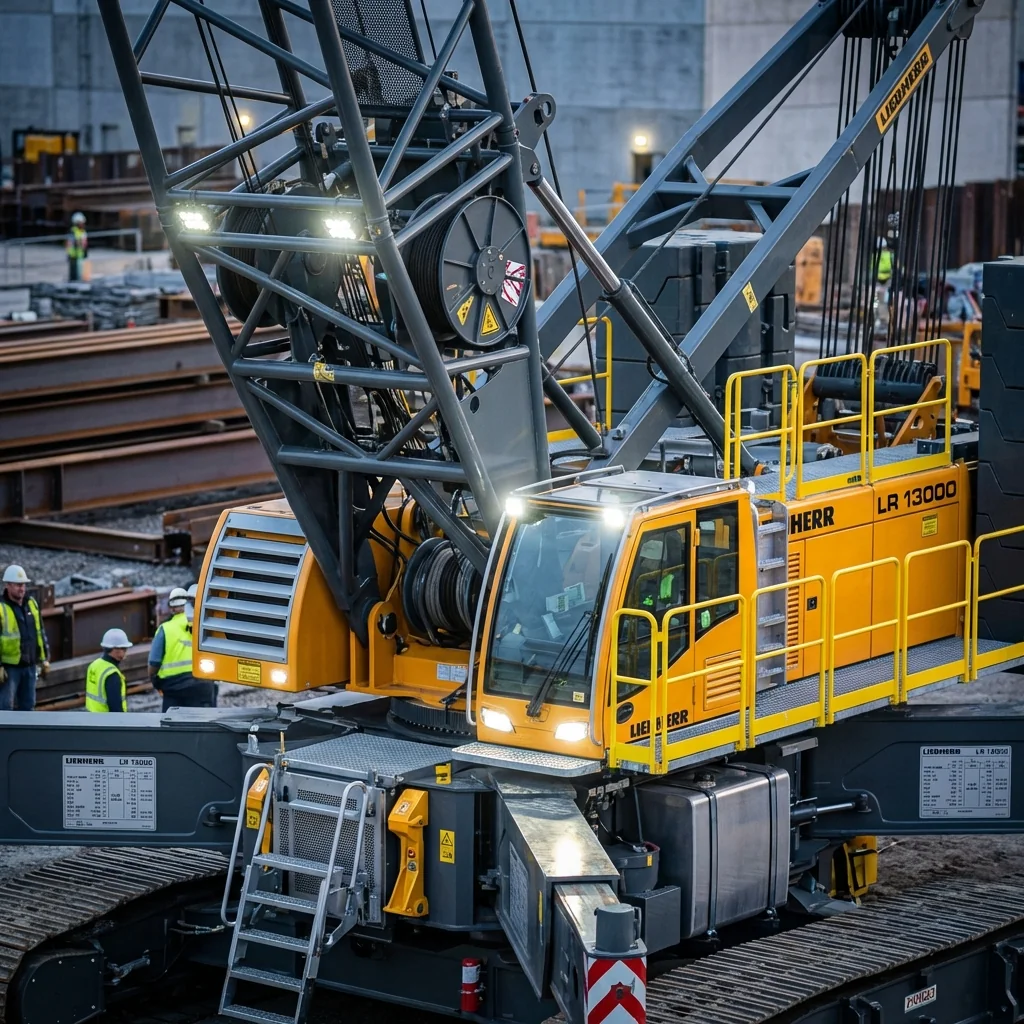
Crane rental is an indispensable part of large-scale lifting operations. Many factors must be carefully evaluated, from choosing the right crane to preparing a lift plan, from contract details to safety rules.
In this comprehensive guide, we will discuss all stages of the crane rental process in detail.
Crane Types and Features
Mobile Cranes (Hydraulic Truck Cranes)
Mobile cranes are the most commonly used crane type. They operate with a hydraulic arm system mounted on a truck.
Capacity Range: 25 tons - 500 tons Areas of Use: Construction, assembly, industrial lifting Advantages: Fast setup, high maneuverability, easy transfer to different locations
Crawler Cranes
Crawler cranes are preferred especially in soft and uneven ground conditions.
Capacity Range: 50 tons - 3500 tons Areas of Use: Large construction projects, bridge building, wind turbine installation Advantages: High stability, ability to work on soft ground
Tower Cranes
Tower cranes are utilized specifically in high-rise building constructions.
Capacity Range: 6 tons - 64 tons (max capacity) Areas of Use: High-rise building construction, long-term projects Advantages: High reach, suitability for continuous use
Capacity Calculation
Basic Capacity Concepts
- Gross Capacity: The maximum load the crane can lift
- Net Capacity: The capacity remaining after extra equipment is deducted
- Working Radius: The distance from the center of the crane to the load's center
- Boom Length: The length of the crane arm
Capacity Calculation Formula
Crane capacity decreases as the working radius increases. Therefore:
Required Capacity = Load Weight x Safety Factor (1.25)
The safety factor is applied as a minimum of 1.25 (i.e. a 25% safety margin) in standard operations.
Reading a Load Chart
Every crane has a capacity table (load chart). In this chart:
- Different boom lengths
- Different working radii
- Maximum safe lifting capacity for each combination
To find the net capacity, the following must be subtracted from the gross capacity:
- Hook block weight
- Sling and rigging equipment weight
- Boom tip (jib) weight (if any)
Lift Plan Preparation
Why is a Lift Plan Required?
A lift plan is the core document for a safe crane operation:
- Legal obligation: It is mandatory per occupational health and safety regulations
- Safety: Foresees and helps identify all risks
- Efficiency: Guarantees systematic execution of the operation
Lift Plan Contents
- Load information: Weight, dimensions, center of gravity
- Crane selection: Capacity, configuration, positioning
- Ground evaluation: Bearing capacity, slope, obstacles
- Rigging plan: Connection points, sling type and capacity
- Lift path: Movement of the load, rotation angle
- Safety zone: Boundaries of the hazardous area
- Communication plan: Signal system, radio frequencies
- Emergency plan: Accident scenarios and response procedures
Contract Details
Rental Duration
- Daily rental: Short-term, one-off operations
- Weekly rental: Medium-term projects
- Monthly rental: Long-term construction projects
Bare vs Operated Rental
Operated Rental (Neta Platform recommendation):
- Includes experienced and certified operator
- Daily maintenance and checks are carried out by the operator
- Clearer sharing of responsibility
Bare Rental (Without Operator):
- Lower daily cost
- The renter must have their own certified operator
- Maintenance and inspection responsibility lies with the renter
Insurance Coverage
Insurance coverage should absolutely be checked in the crane rental contract:
- Machinery breakdown insurance
- Liability insurance
- Transport insurance
Safety Rules
Pre-Operation
- Sharing the lift plan with all stakeholders
- Ground check and outrigger placement
- Verification of load weight
- Establishment of the safety zone
- Checking weather conditions
During Operation
- Obeying only the instructions of the authorized signalperson
- No working or standing under the load
- Strict compliance with the load chart
- Expert supervision for simultaneous lifting with two cranes
Cost Factors
Rental Fee
- Crane type and capacity
- Rental period
- Seasonal variables
Extra Costs
- Transportation: Bringing the crane to the site and taking it back
- Mobilization: Setting up and dismantling the crane
- Operator: Daily operator wage
- Fuel: Diesel consumption
- Extra equipment: Extension jib, special sling, hook block
Neta Platform Crane Rental Advantages
- ISO 9001 certified quality management system
- An equipment fleet with regular periodic inspections
- Experienced and certified operator staff
- 24/7 technical support
- Comprehensive insurance coverage
- Free survey and lift plan support
Conclusion
Right crane selection and safe operational planning are the keystones of a successful lifting operation. Accurately calculating capacities, preparing the lift plan in detail, and strictly obeying safety rules are vital.
As Neta Platform, we manage your crane rental process from start to finish with our professional team.
This guide was prepared taking the field experience of the Neta Platform engineering team and current safety standards as a reference.
Author
Neta Platform Technical Team
We provide platform, crane, and heavy machinery rental solutions with 20+ years of industry experience.


